

The following opinion piece is written by Sir Jim Ratcliffe, Chairman and CEO of INEOS
If ever there was a time to talk about energy security, then surely it is now. We are just over a week into the Iran war, and we are already seeing massive impacts on our energy prices and on our energy security. In a week when Brent crude breached the $100/barrel mark, UK gas prices more than doubled and we find we only have two days of strategic gas stocks available to the country we really need a rapid reassessment of our priorities.
Nothing is more important for national security than energy independence. Without reliable energy in a conflict situation then there is jeopardy in running hospitals, transportation, manufacturing and basic essentials such as heating and lighting. Our strategic defence capability is totally undermined just when we need it most. Without a reliable supply of energy, the country is crippled.
The world is becoming increasingly turbulent. There are multiple conflicts across the globe with a major escalation happening right now in the Middle East. There are no signs that these conflagrations will abate. Or that humans will suddenly become a peaceful species. Recent history demonstrates that these conflicts have an immediate and dramatic impact on our energy security as demonstrated by the Ukraine War and the current Middle East crisis.
Energy prices in the UK and Europe have skyrocketed since the start of the Iran war. This kills industry and manufacturing and our competitiveness. Our dependency on foreign suppliers of energy only increases. They have us where they want us – over a barrel if you’ll excuse the pun.
Energy prices in the USA have largely stayed stable because they are energy independent. Their economy will not get hammered by sky high energy prices. This has not come about accidently but through a deliberate and long-term policy of prioritising energy independence in America. They have encouraged the development of new oil fields in the US Gulf whilst simultaneously encouraging the onshore development of oil and gas from shale. This has not been at the expense of investment in renewables which has continued apace alongside oil and gas investment, further adding to US energy independence.
It is abundantly clear to me that our prime strategy should be to establish energy independence.
The disruption in the Strait of Hormuz should be a wake-up call for Britain.
Our energy system has a glaring weakness. We simply do not store or produce enough gas. Countries like Germany and France hold months of reserves. The UK holds a fraction of that. When global supply is disrupted, Britain is exposed first and hardest. Prices surge and households pick up the bill.
But storage is only part of the problem. The bigger issue is that Britain is choosing to import energy rather than produce it. UK oil and gas production is forecast to collapse from 74 million tonnes in 2022 to just 33 million tonnes by 2030. That is not because the resources have disappeared. It is because investment is being driven away.
Every barrel and every cubic metre we choose not to produce at home will simply be imported from somewhere else – often from countries with weaker environmental standards and far greater geopolitical risk.
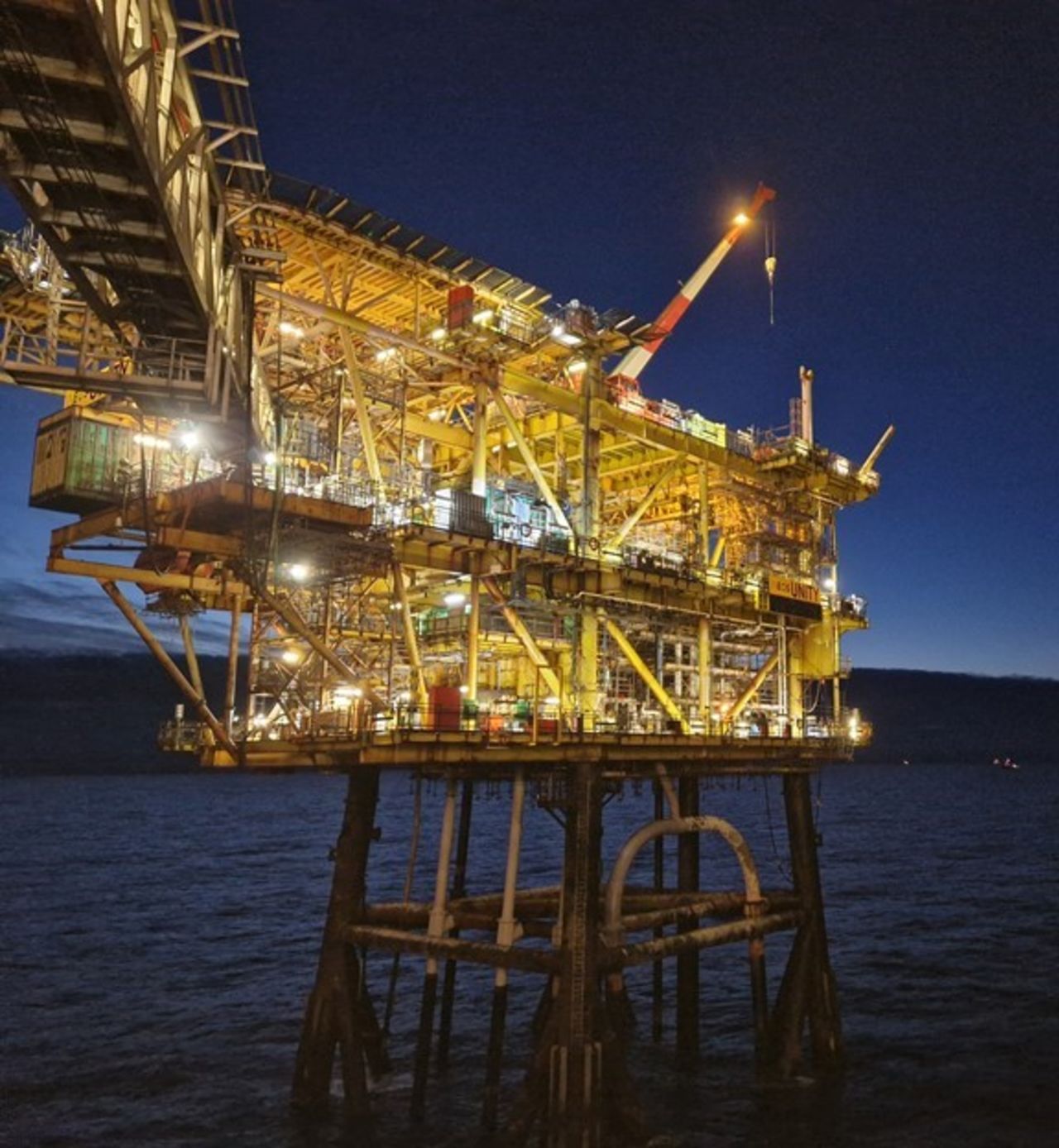
The government now faces a clear choice. Projects like Jackdaw and Rosebank could provide secure domestic supply for decades. Approving them would send a signal that Britain is serious about energy security. Opening up new licences, to explore our nations remaining critical resources, is now a matter of national security.
Refusing them would send the opposite message: that the UK would rather depend on foreign imports than develop its own resources.
At a time of rising global instability, that would be an extraordinary decision.
Last year for the first time since the 1960’s, not a single new exploratory oil or gas well was drilled in the British sector of the North Sea. Ed Miliband refuses to issue new licences. Just across the maritime border however, Norway is discovering new reserves and strengthening its energy future. Britain, meanwhile, is doing the opposite. The UK is punishing the very companies investing in the North Sea with the Energy Profits Levy, pushing the tax burden close to 80%, which is one of the highest anywhere in the world. Unsurprisingly, investment is fleeing. If Britain is serious about energy security and jobs, the EPL must be scrapped and replaced with a stable, price-triggered system that encourages companies to invest here rather than somewhere else.
Net Zero ambitions are good goals but should sit firmly in second place. The UK should maximise energy extraction from the North Sea alongside nuclear new builds and additional wind turbines. These are not mutually exclusive as the US has shown. We must not let ideology obscure common sense and jeopardise national security.
Energy security must come before rigid net zero targets and the same applies to the rest of Europe.
ENDS
Press Contacts
INEOS PR +44 207 193 9030 ineos@firstlightgroup.io
Richard Longden: INEOS | richard.longden@ineos.com | +41 79 962 61 23