

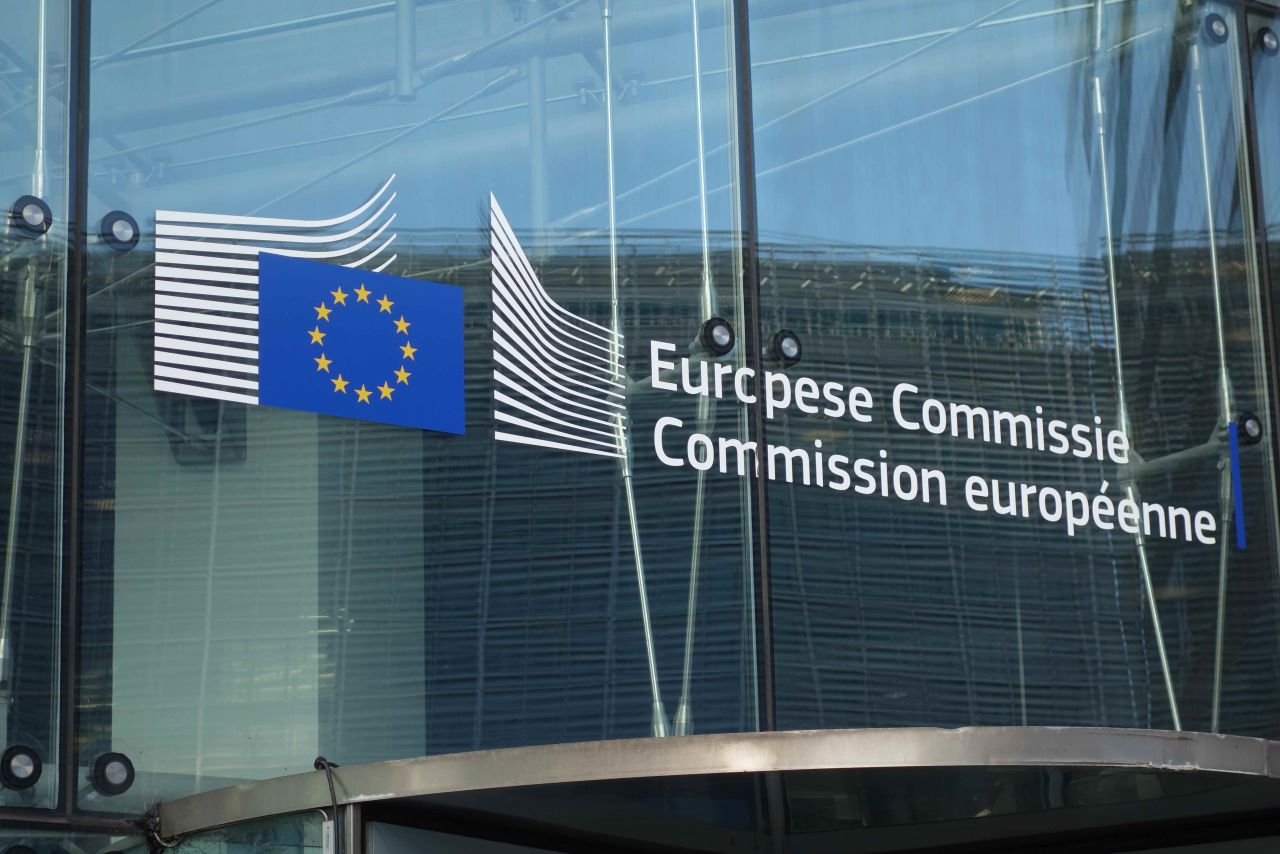
- The European Commission has launched an anti-dumping investigation into PVC imports from China, Taiwan, Mexico and South Korea, following a 100% increase in imports in just twelve months.
- PVC is essential to the European chemicals industry and to everyday life, with applications including drinking water and sanitation, healthcare, construction, food packaging, energy infrastructure and defence.
- INEOS has filed, or is in the process of filing with the European Commission, 20 major trade defence actions covering polymers and chemicals, double the number since November 2025
- China’s chemical industry, including PVC production, relies on coal-based energy and feedstocks meaning that Chinese production can have a carbon footprint more than four times that of equivalent European production.
- INEOS calls for the application of “safeguarding measures”, to strengthen the EU Chemicals industry pointing to the US as an example of how tariffs can be deployed rapidly and at scale to protect domestic industry from unfair imports.
INEOS today welcomes the European Commission's decision to launch an anti-dumping investigation into imports of certain PVC from China, Taiwan, Mexico and South Korea, but, at the same time, calls for urgent reform of the EU’s approach to trade defence.
PVC is a strategic material used across essential sectors including water and sanitation healthcare, construction, food packaging and defence.
The investigation follows a 100% increase in PVC imports in just 12 months. It comes at a critical moment for Europe’s chemical industry. In 2025 €34.1 billion of organic chemicals alone were imported from China. In the first six months of 2026 alone, chemical imports from China increased by 1.1 million tonnes, while the EU’s chemical trade balance deteriorated by 1.2 million tonnes. China is now Europe's largest source of chemical imports.
There is also a significant carbon consequence. Production from China’s chemical industry, including PVC, relies heavily on coal-based energy and raw materials. The resulting products can have a carbon footprint more than four times that of equivalent European production. Closing efficient European plants only to replace their output with higher-carbon imports simply exports jobs and emissions.
INEOS is also working, as part of consortia with other EU producers to protect the EU Chemicals industry and has filed, or is in the process of filing, 20 major trade defence complaints on other polymers and chemicals with the European Commission, double the number since November 2025. This unprecedented effort has become necessary to defend its manufacturing sites, protect its employees and long-term investments, and safeguard the thousands of customers, suppliers and contractors that depend on a strong European chemical industry.
The United States has demonstrated how tariffs and other trade measures can be effectively deployed rapidly and at scale to protect its domestic industry from unfair trade. Europe’s system remains constrained by lengthy procedures, limited resources and rules that can leave manufacturers exposed for years before measures take effect.
INEOS is calling for increasing resources within DG Trade, simplifying case preparation, faster provisional measures and “safeguard measures” to be applied to protect the European chemicals and plastics industry
In a recent letter to Ursula von der Leyen Sir Jim Ratcliffe, Chairman of INEOS, said: "China is overbuilding its entire chemical industry, which it fully recognises is a critical ingredient for its national security. This intentional excess capacity is being 'dumped' into our European marketplace at unsustainable prices. The result is an accelerating rate of closure of our chemical industry. Europe must be protected from unfair competition, preferably quicker than at 'snail's pace'. Europe needs to start giving the type of support to industry that our global competitors receive from their governments."
The growing number of anti-dumping cases demonstrates that Europe's trade defence framework must now be strengthened so that its strategic industries can be protected quickly, fairly and effectively against unfair global competition.
Steve Dossett, CEO of INEOS Inovyn said, " Trade defence measures need to move at the speed of today's market distortions, not years after the damage has been done. Europe is becoming increasingly dependent on imported chemicals while its own industry struggles to compete. The Commission has taken an important first step and needs to complete its investigation quickly.”
ENDS.
Media Contacts
INEOS PR | +44 (0) 207 193 9030 | ineos@firstlightgroup.io
Richard Longden | INEOS | +41 79 962 61 23 | richard.longden@ineos.com