Vinyl House
A Ground-Breaking Vision for Sustainable Living
The Vinyl House marks an exciting milestone in our journey towards sustainable innovation, highlighting the vital role PVC can play in sustainable construction.
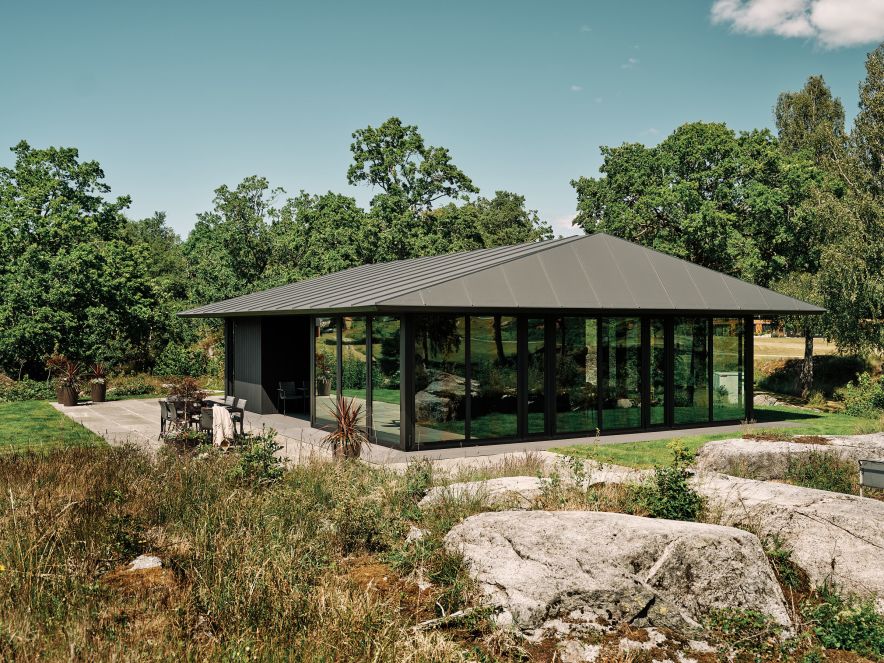
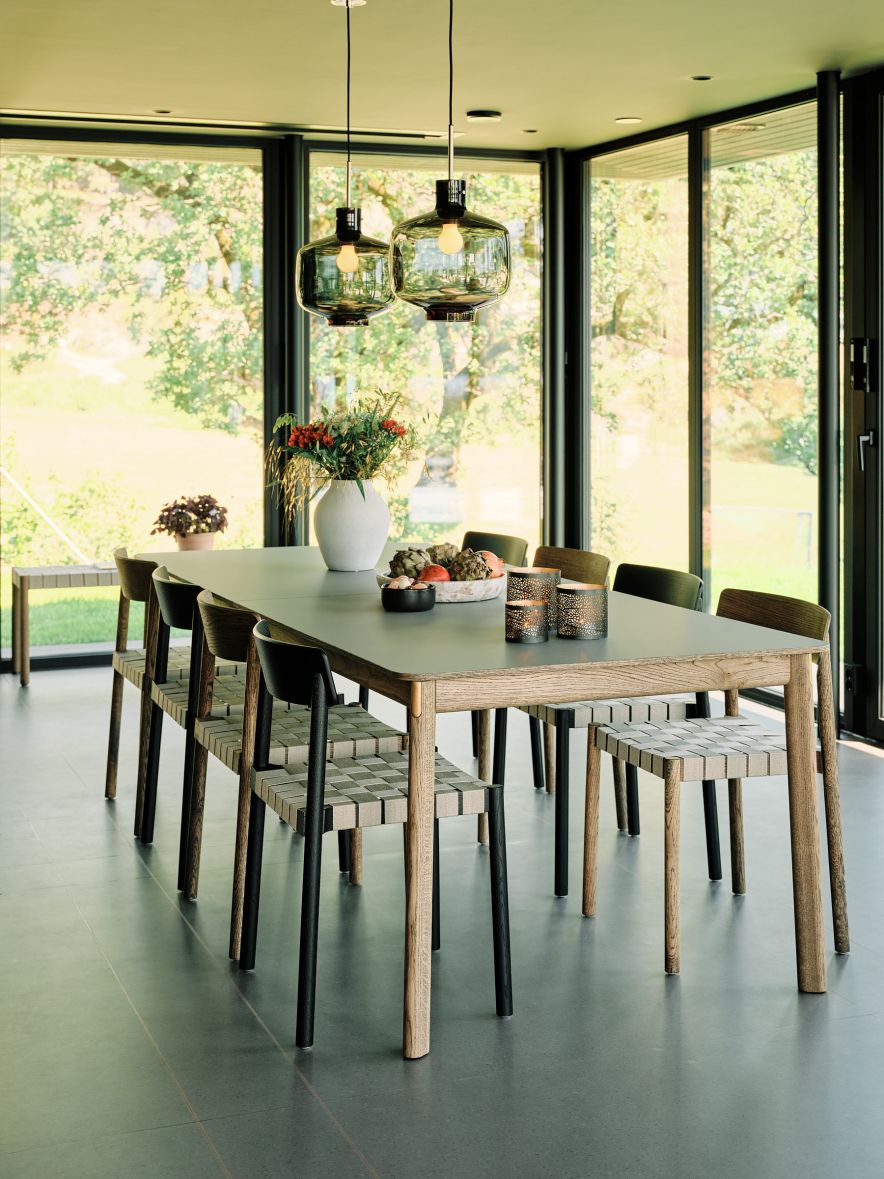
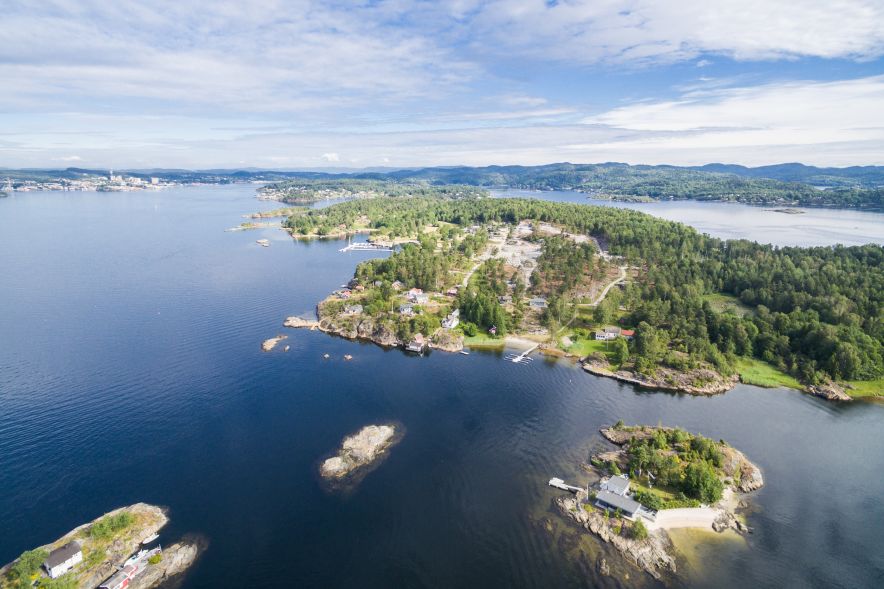
Located on the island of Brevik, Norway, the Vinyl House is a showcase for the future of modern construction. Combining innovative design, long-term durability and lower-carbon materials, it demonstrates how advanced PVC solutions can support more sustainable building practices without compromising quality, aesthetics or long-term performance.

Building Circularity
The Vinyl House is a bold commitment to sustainability. It demonstrates how PVC can contribute to a more circular economy through durability, recyclability and lower-carbon production.
To further reduce the environmental footprint of the project, the house is primarily built using BIOVYN™, INEOS Inovyn's bio-attributed PVC, which reduces greenhouse gas emissions by up to 90% compared with conventional PVC while maintaining the same performance and quality.

Our Vinyl House shows how PVC delivers a number of significant advantages over traditional building materials. PVC's durability and strength means it will last for over 50 years, providing low-maintenance, sustainable solutions. This pioneering project marks an exciting step in modern construction approaches."
Sustainability Meets Design
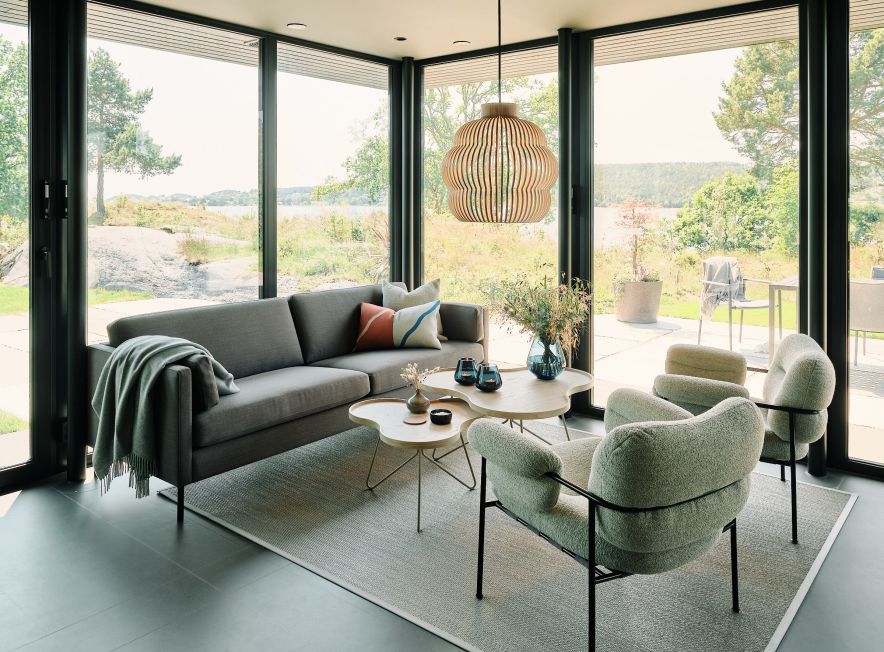
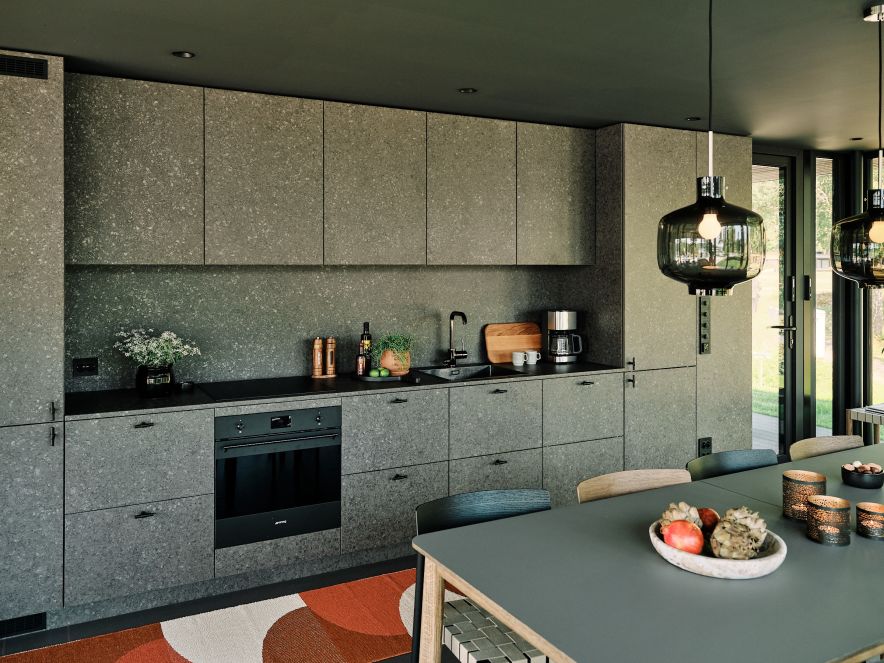
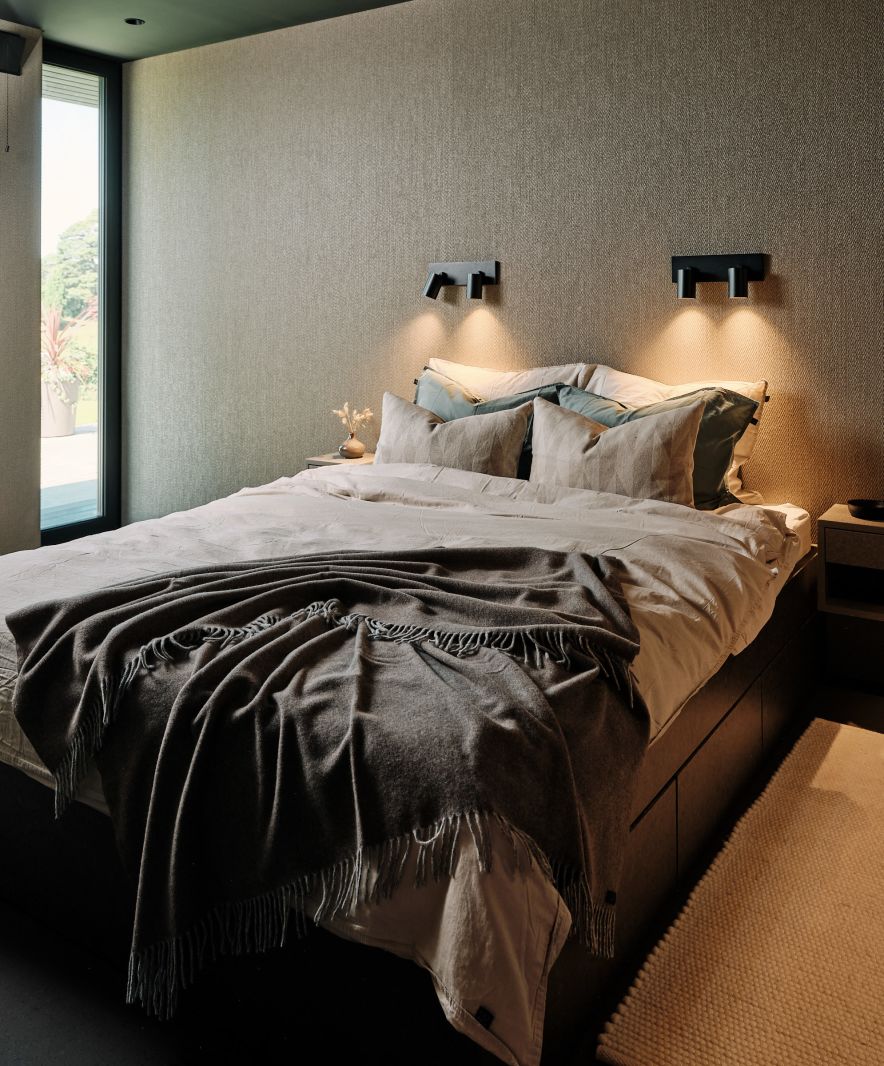
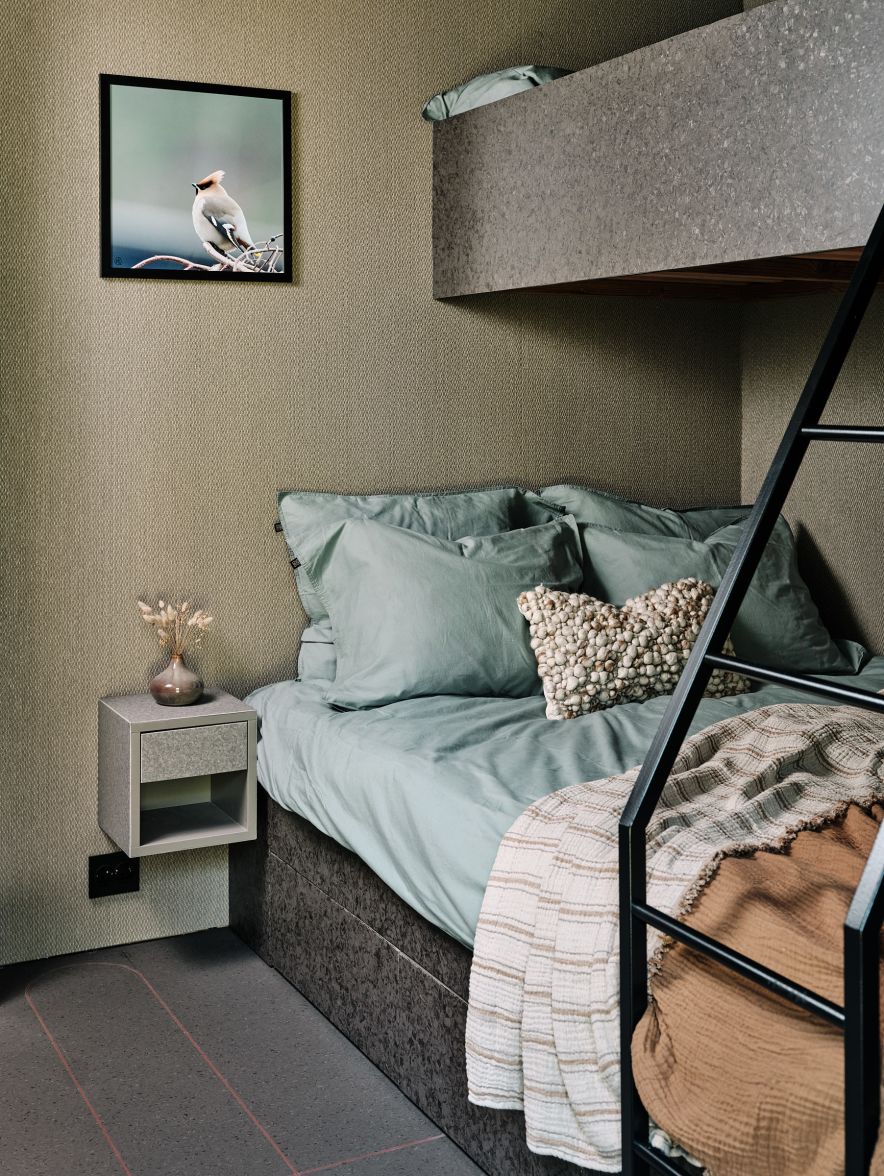
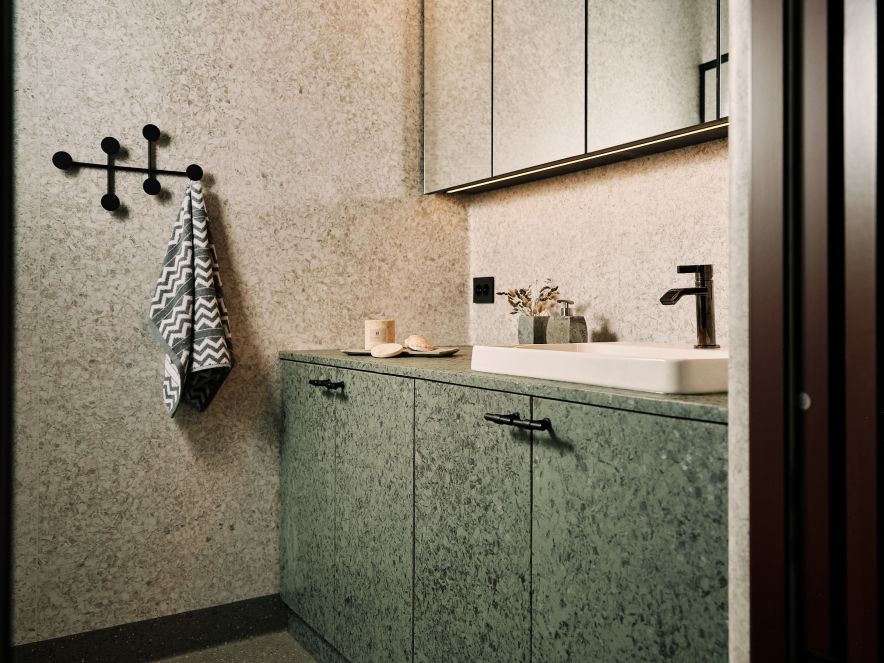
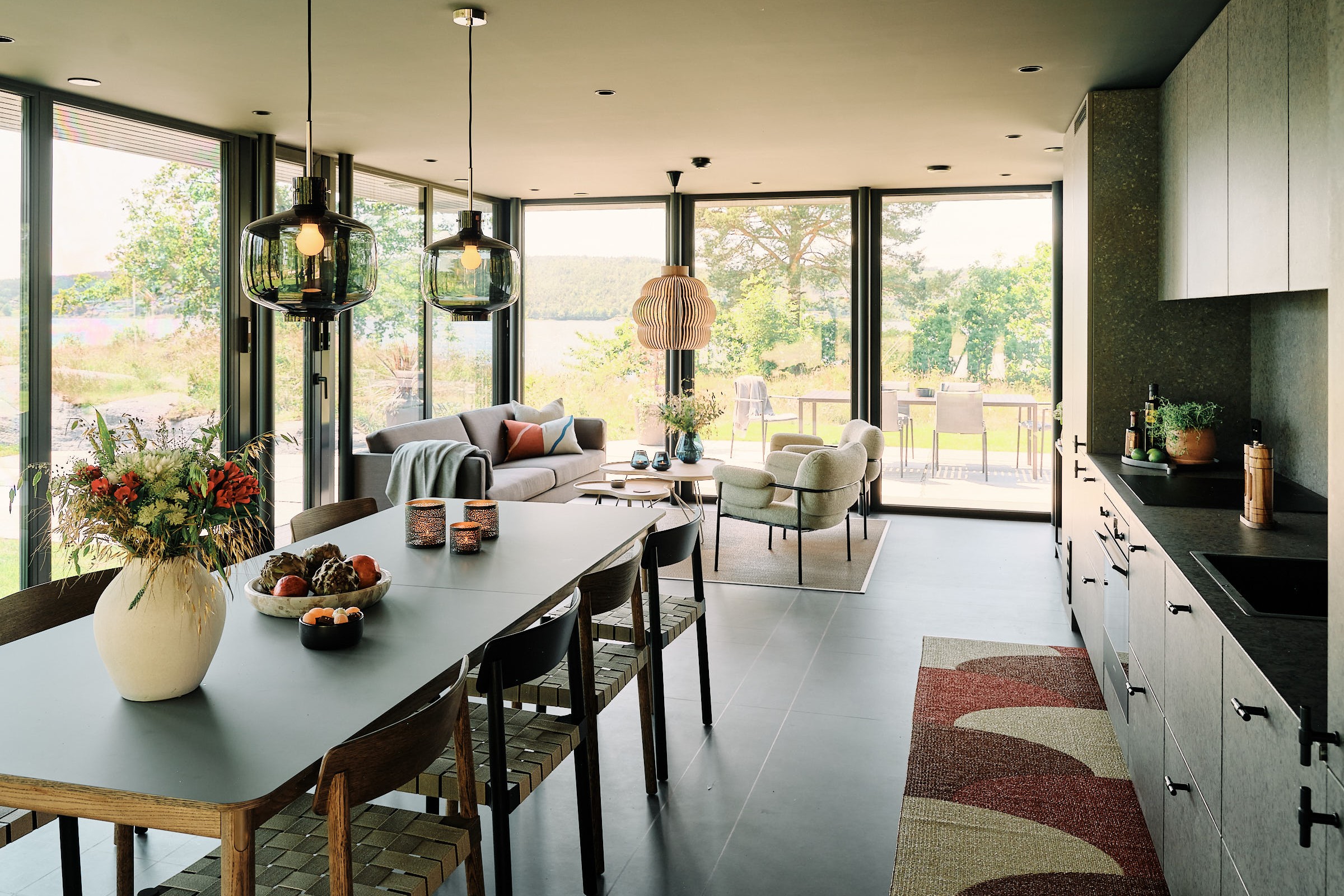
The Vinyl House demonstrates that sustainability and design can go hand in hand. Combining innovative PVC solutions with contemporary architecture, it shows how buildings can be durable, adaptable and visually appealing, without compromising environmental performance.
Built to Last, Designed to Perform
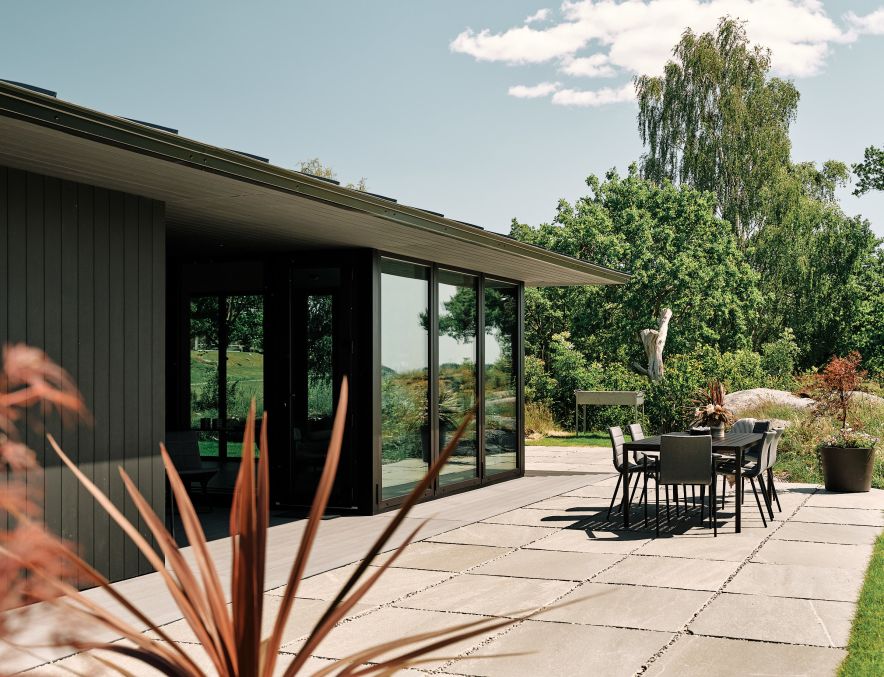
Sustainability starts with durability. The PVC components used throughout the Vinyl House, including roofing, cladding, flooring and window frames, are designed to perform for more than 50 years.
Resistant to UV radiation, weathering and temperature fluctuations, these materials provide long-term reliability while minimising maintenance requirements and reducing the need for replacement over time.
Project Partners
The Vinyl House was made possible through collaboration across the value chain. Industry partners, including Profine, Renolit, Tarkett, Croswood, Pipelife and Bolon, contributed materials and expertise to bring the project to life.
This project allowed us to show how PVC can be used to create an eye-catching design within a well-known but transformed building typology, combining durable and versatile building materials in harmony with Brevik's natural beauty."
Measuring the Impact
The Vinyl House demonstrates the potential of innovative PVC solutions to reduce the carbon footprint of buildings. Compared with a European brick-and-concrete reference building, carbon emissions are 76% lower during construction and 27% lower across the building's full life cycle.
These results highlight how innovative PVC solutions can support lower-carbon construction while maintaining performance, durability and design flexibility.
Life Cycle Stage |
CO₂ Reduction |
| Construction | 76% |
| Full Building Life Cycle | 27% |
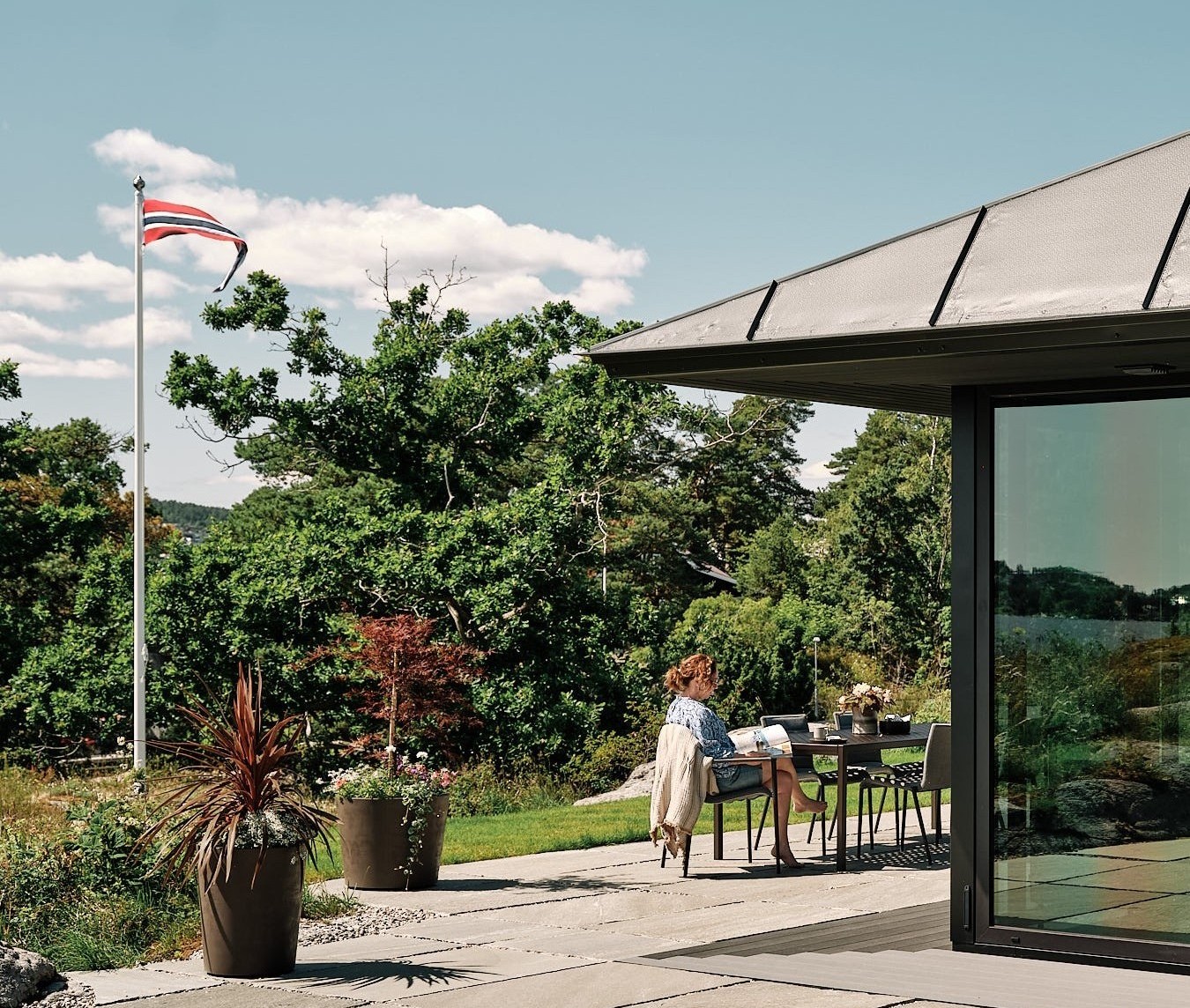
Photo Gallery