

Packaging: Why PS? A Practical Choice for Modern Packaging
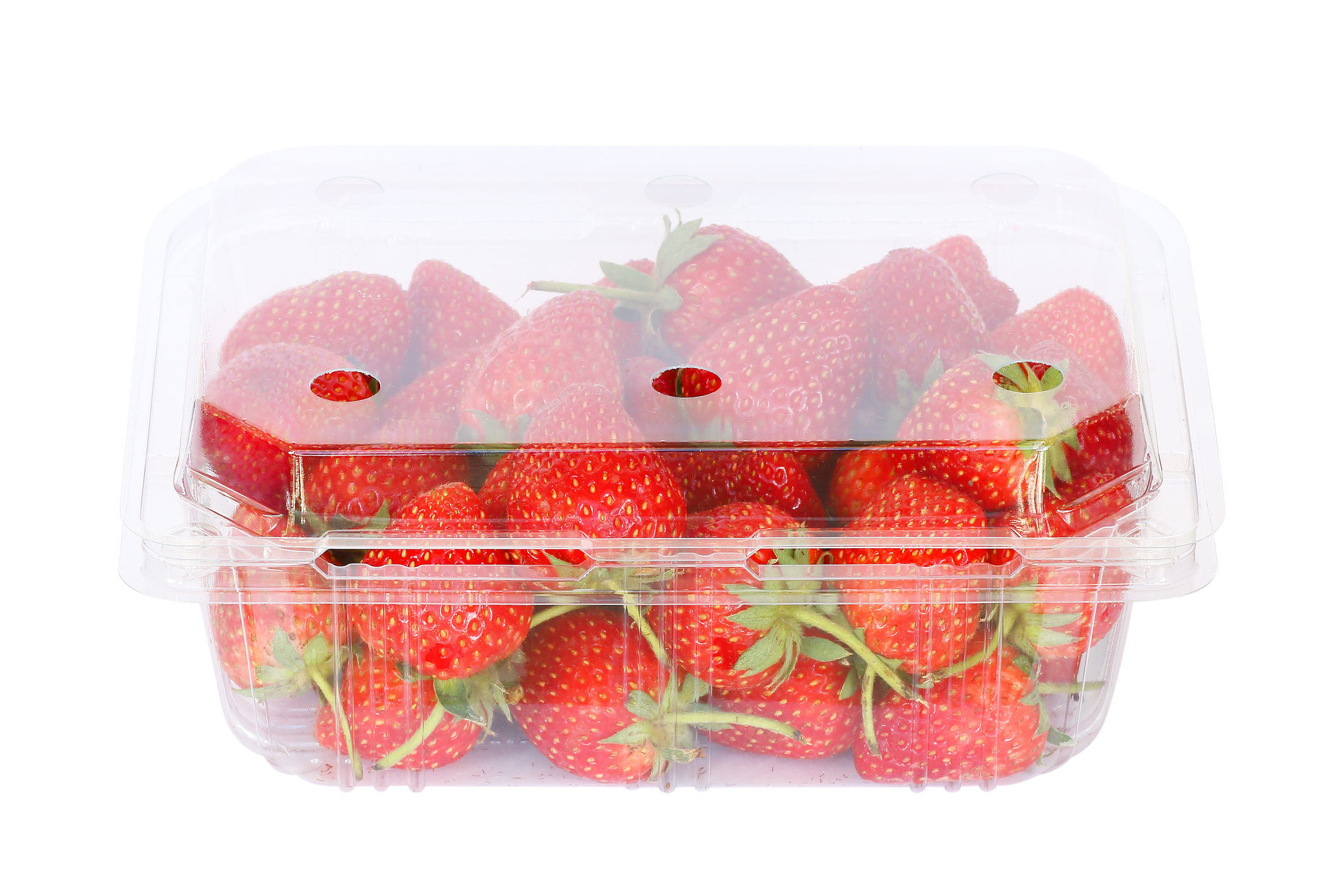
Packaging: Why PS? A Practical Choice for Modern Packaging
Packaging decisions are rarely simple. Brand owners and converters must balance product protection, manufacturing efficiency, cost, regulatory demands, and sustainability goals, all at once.
While sustainability discussions often center on perception, meaningful progress depends on measurable performance. That means selecting the right material, in the right amount, for the right application, within systems designed to support circularity.
Polystyrene (PS) continues to play a vital role in modern packaging because it delivers a strong balance of performance, efficiency, affordability, and recyclability. When evaluated holistically, PS stands out as a practical, fit-for-purpose material that supports responsible packaging design.

Ease of Use: Enabling Efficient, Reliable Production
Packaging performance begins in production.
Polystyrene is lightweight, rigid, and highly efficient to process. It thermoforms and molds with precision, enabling high-volume manufacturing with consistent quality. These characteristics help reduce energy consumption, minimize waste, and streamline operations.
PS also offers excellent dimensional stability and dependable performance across a wide range of applications, from food containers to protective packaging. Materials that run reliably in production reduce complexity and enable more efficient use of resources.
Choosing PS is not just about functionality, it’s about enabling production systems that perform efficiently from the outset.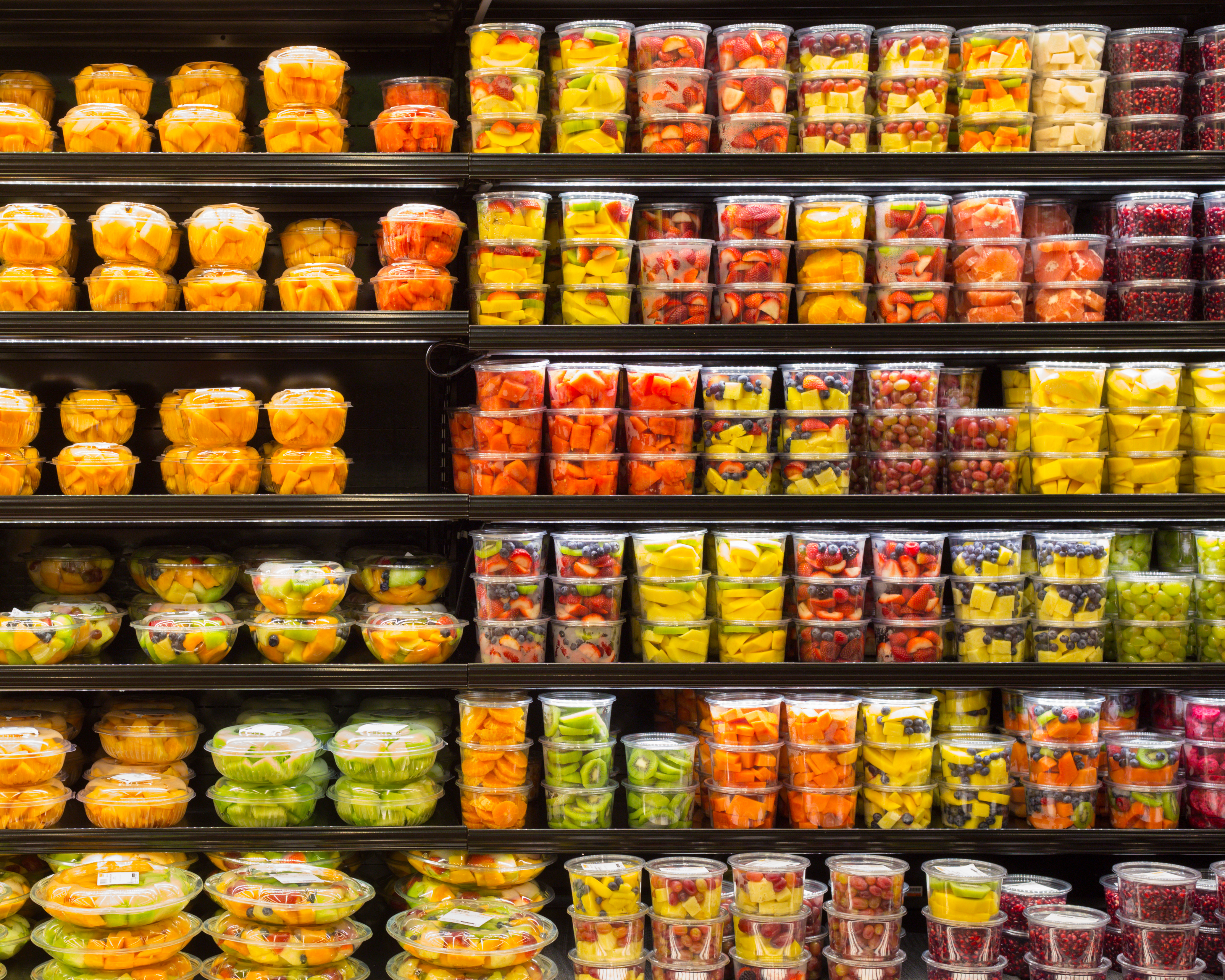
Lower Cost, High Value: Efficiency Across the Value Chain
In high-volume packaging, even small efficiencies create significant impact.
Material choice directly influences production costs, operational performance, and long-term value. Polystyrene delivers strong performance at a competitive cost in both materials and processing.
Its lightweight structure provides strength and rigidity while using less raw material, helping reduce input costs as well as transportation weight and associated emissions. Fast processing and short cycle times further support energy-efficient manufacturing.
For brand owners and converters, particularly in large-scale applications like food packaging, this balance of performance, affordability, and efficiency is critical.
Economic sustainability is a key enabler of environmental progress. Materials that combine performance with cost efficiency make responsible packaging solutions scalable.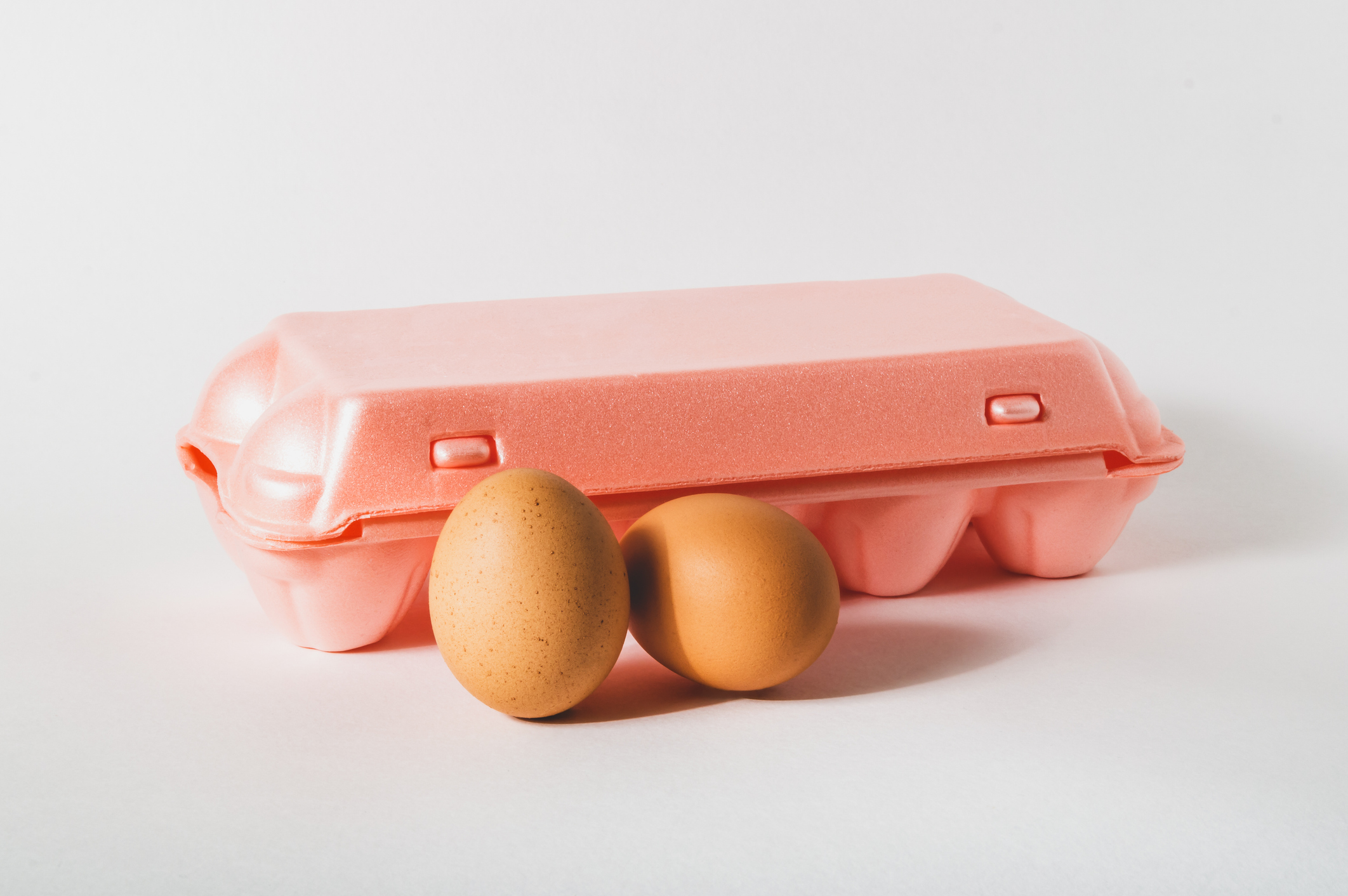
Built for Demanding Applications: Preventing Waste Through Performance
Sustainability starts with materials that perform as intended.
Packaging must protect what matters, whether preserving fresh dairy products or safeguarding electronics in transit. When packaging fails, the environmental impact of product loss often exceeds that of the packaging itself.
Polystyrene’s versatility makes it well suited for demanding applications. It offers excellent clarity, strong rigidity, and can be engineered to meet precise performance requirements. This enables right-sizing, avoiding both overengineering and unnecessary material use.
Using exactly what is needed, no more, no less, supports both product protection and responsible resource use. Well-designed materials help prevent spoilage, breakage, and damage throughout the packaging lifecycle.
Performance is not separate from sustainability, it’s fundamental to it.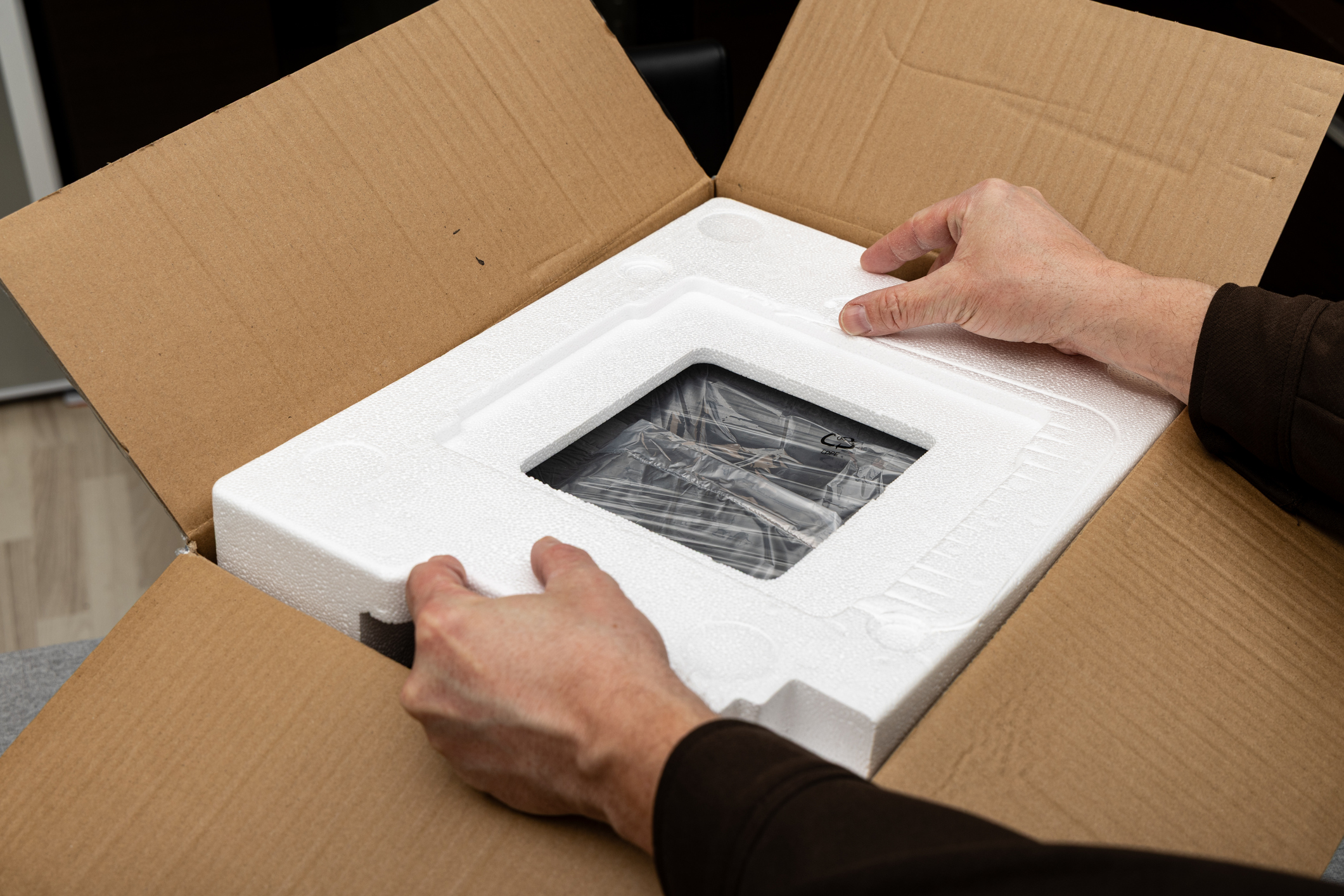
Reducing Material Use and Advancing Circularity
Responsible packaging design starts with minimizing material use.
Thanks to its high stiffness-to-weight ratio, PS enables lightweight packaging without compromising protection. Reduced weight also contributes to lower transportation emissions and improved logistics efficiency.
Polystyrene is recyclable through both mechanical and advanced recycling technologies. Industry efforts continue to expand collection systems, strengthen recycling markets, and improve recovery infrastructure. Initiatives such as the Polystyrene Recycling Alliance are helping increase recycling rates and advance circular solutions.
Reducing material use while expanding recycling pathways helps divert waste from landfills and lower overall environmental impact. Achieving circularity requires collaboration across the value chain, from material producers and converters to brand owners, retailers, and recyclers.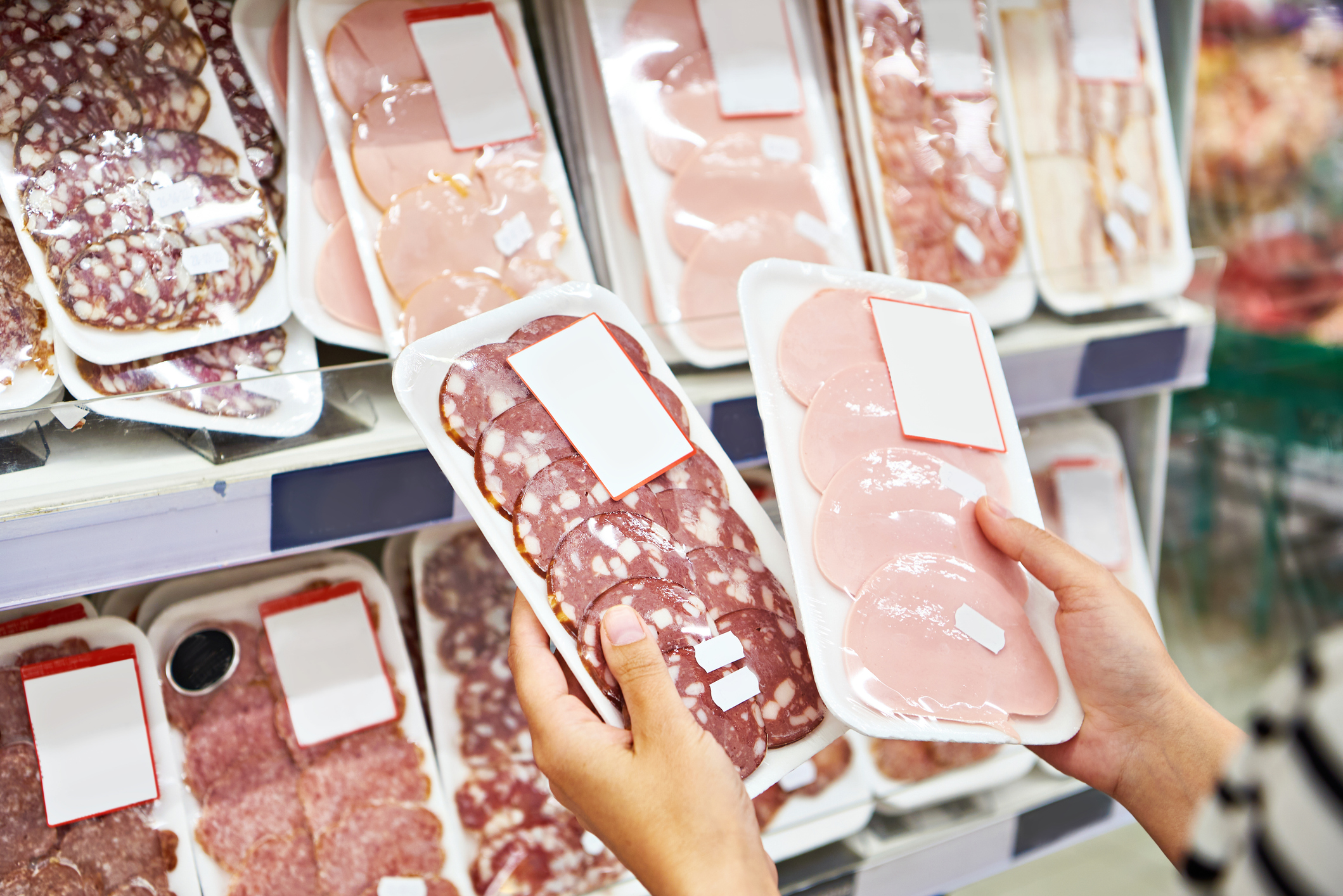
A Balanced Perspective
Sustainable packaging is not about eliminating materials, it’s about evaluating them within the full system. That means considering performance, resource efficiency, product protection, affordability, and recyclability together.
From this perspective, polystyrene offers clear advantages. Its processing efficiency, lightweight performance, suitability for demanding applications, and expanding recycling solutions position it as a responsible choice in modern packaging.
At INEOS Styrolution, we are committed to advancing PS solutions that meet evolving market and regulatory expectations while supporting circularity goals. Through innovation and collaboration, we continue to strengthen the role of polystyrene in efficient, fit-for-purpose packaging.
Sustainability progress depends on practical, science-based solutions grounded in real-world performance. PS remains an important part of that progress, and part of the solution.
Learn more about our packaging solutions:
https://www.ineos.com/businesses/ineos-styrolution/industries/packaging/