

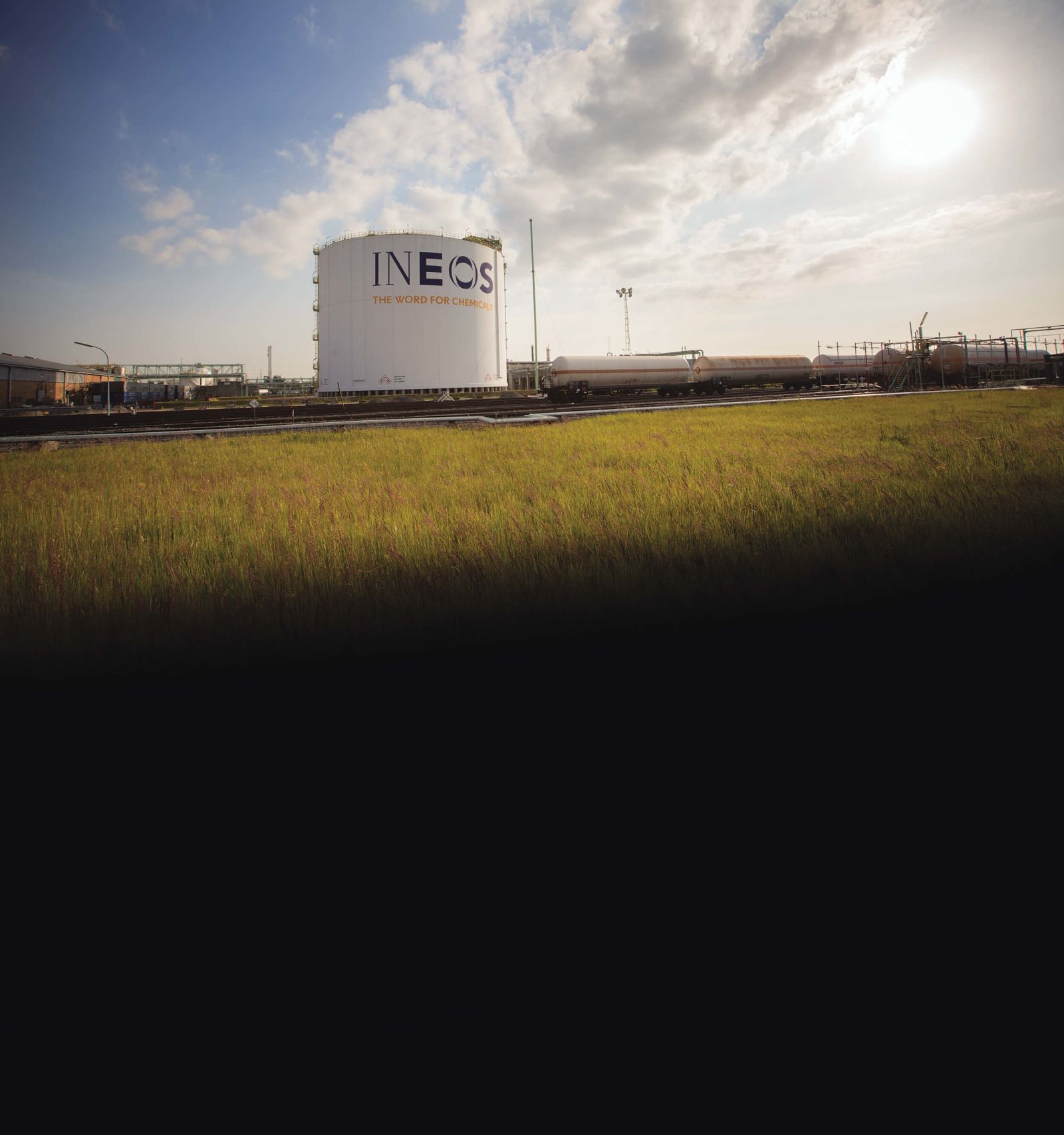
BELGIUM’S chemical industry is not only thriving. It’s growing.
Essenscia, the Belgian association for the chemical industry, said that was a result of always striving to be one step ahead of the competition by focusing on innovation, be it in new products, high quality infrastructure, energy efficiency or hiring the very best people.
“We are faced with challenges but we remain confident that we can master them,” said Managing Director Yves Verschueren.
The industry employs about 90,000 people directly with more and more being hired every year.
“That’s in sharp contrast to other industrial sectors which have seen job losses,” he said.
Its annual contribution to Belgium’s GDP is about 16 billion euros.
“This really is an industry of utmost importance to this country,” said Yves.
As such, it does have clout.
“Successful companies like INEOS have an important role in helping our government officials to understand that investments will only continue to be made if the conditions continue to be right here,” he said. “And that includes lower energy costs.”
The Belgians, though, do face other challenges – just like the rest of western Europe.
“Youngsters have, to a certain degree, lost interest in science, maths and engineering,” said Yves.
One who feels that is Holger Laqua, Plant Manager at INEOS Oxide in Zwijndrecht, Antwerp.
“Ours is a very technically-orientated site and finding good technical people is a challenge,” he said. “We go into schools and explain what we do and what we make because we need to make children from 12 think about this profession.” Essenscia also visits schools, and has set up science parks and museums to change perception and show children that the answers to today’s most challenging questions will come from the chemical industry. “We need to open their eyes and show them what the chemistry industry is already doing to create a more sustainable society and tackle climate change,” said Yves. And with 2,600 vacancies expected every year in the coming years to replace those who are retiring, that will become increasingly more important.