Production & Products
Our end products are soda lye, hydrochloric acid, hydrogen and PVC
Our processing plant consists of three integrated factories that run together, side by side, from a state-of-the-art control room. This was inaugurated and put into full operation in 2021. The plant also has a new electrified chlorine production with membrane technology, which was completed in 2018 and went into full operation in 2019.

From salt to plastic
Our largest end product is PVC (S-PVC and G-PVC), which is produced by making sodium chloride with the help of electricity into lye and chlorine gas. Chlorine gas and ethylene then become EDC, which is cracked into VCM, which is later polymerized into PVC. Sodium chloride is found in almost unlimited amounts in the sea and bedrock. In the production of PVC, only 43% ethylene oil is used. The rest is thus salt. PVC thus saves oil resources and is 57% fossil-free. S-PVC and G-PVC are sold both in Europe and on the global market. We produce both Biovyn and Neovyn, which are our two climate-neutral PVC and premium products.

Our products & processes
Chlorine
In the chlorine factory, chlorine is extracted from salt through electrolysis. The salt is dissolved in water and allowed to pass through electrolysis cells where chlorine, baking soda lye and hydrogen are formed. Hydrogen is sold as a raw material in the chemical cluster in Stenungsund or used in the company's steam plant as an energy source.
VCM
In the VCM factory, vinyl chloride monomer is produced and later combined into PVC. VCM is made from chlorine gas and ethylene. Ethylene is produced from natural gas or oil and is purchased from INOES in Norway. Ethylene and chlorine react in a so-called direct chlorination process. To form dichloroethane (EDC).
PVC
VCM is pumped to reactors where it is mixed with water. An initiator starts the reaction, which takes place under pressure and careful temperature control. The vinyl chloride monomer is then bound together into long molecular chains and becomes polyvinyl chloride (PVC). Unreacted VCM is returned to the process. The finished PVC particles are dried and sieved. Finished PVC is a white powder in slightly different sizes.
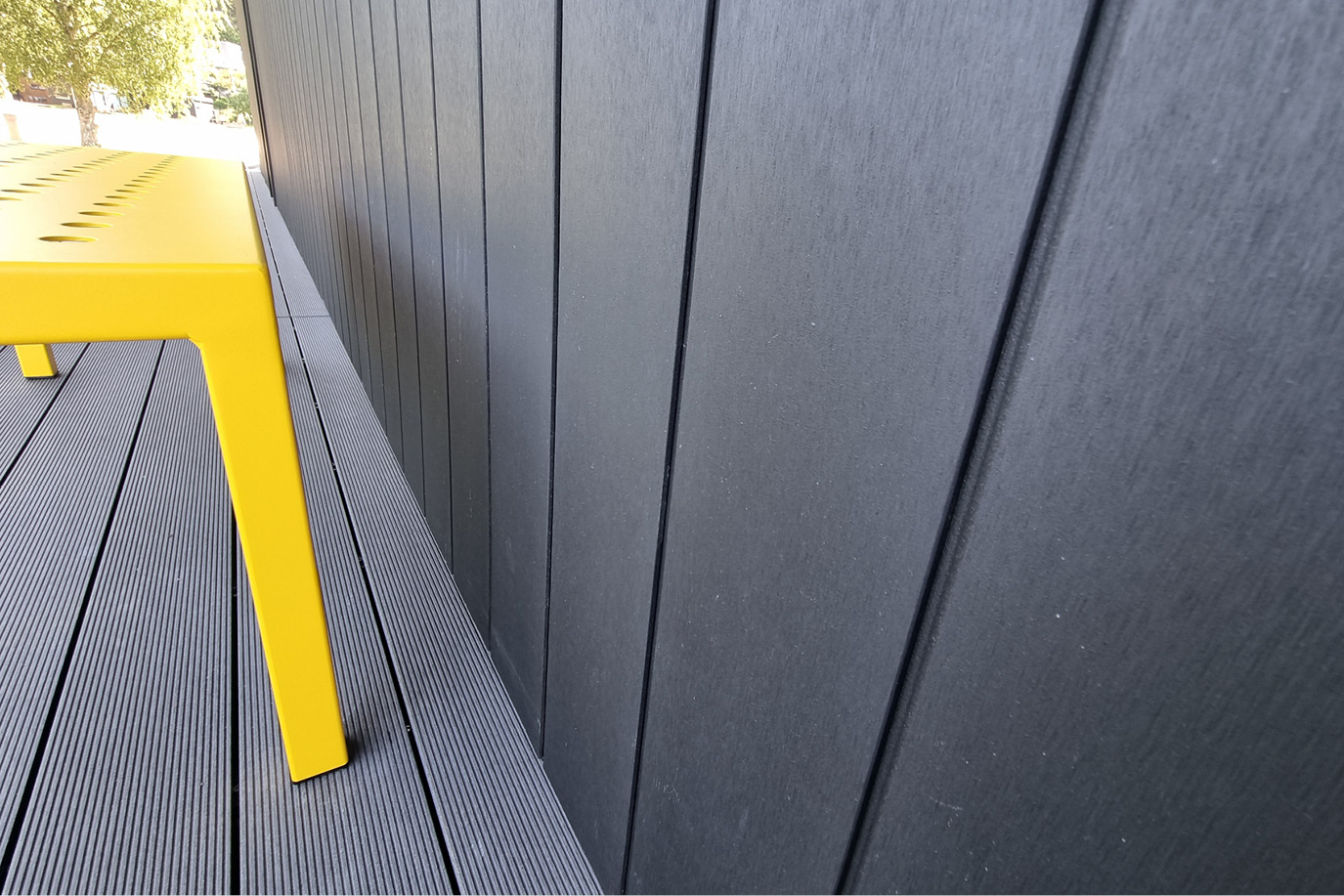
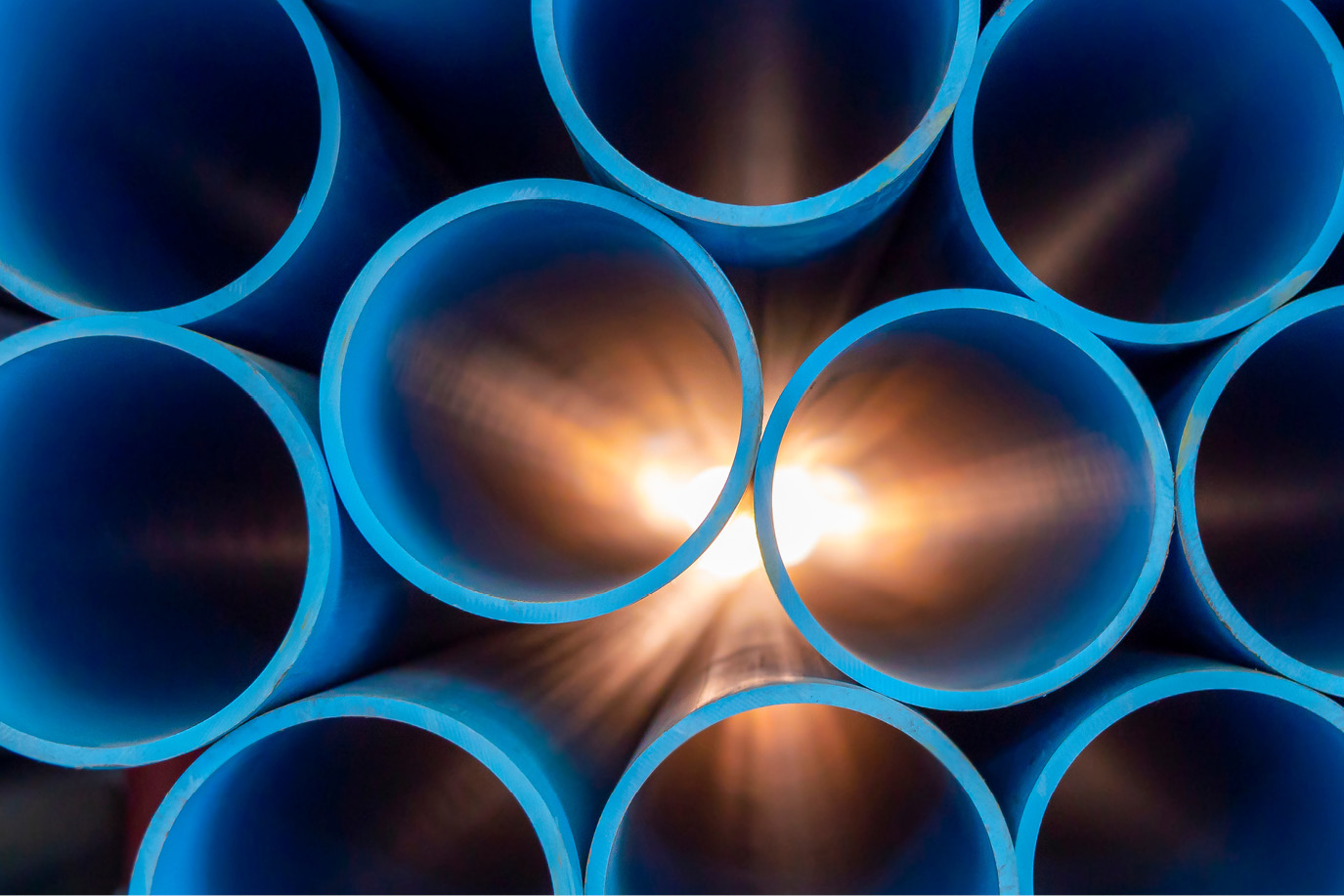
PVC (polyvinyl chloride) is a unique material. Its properties can vary from soft and flexible to stiff and strong. PVC is the plastic with the most applications. It is used, among other things, for pipes, cables, floors, window profiles and other building products. Many lives have been saved thanks to PVC's ideal properties for blood bags, dialysis tubes and medical equipment, for example.
Baking soda (NaOH)
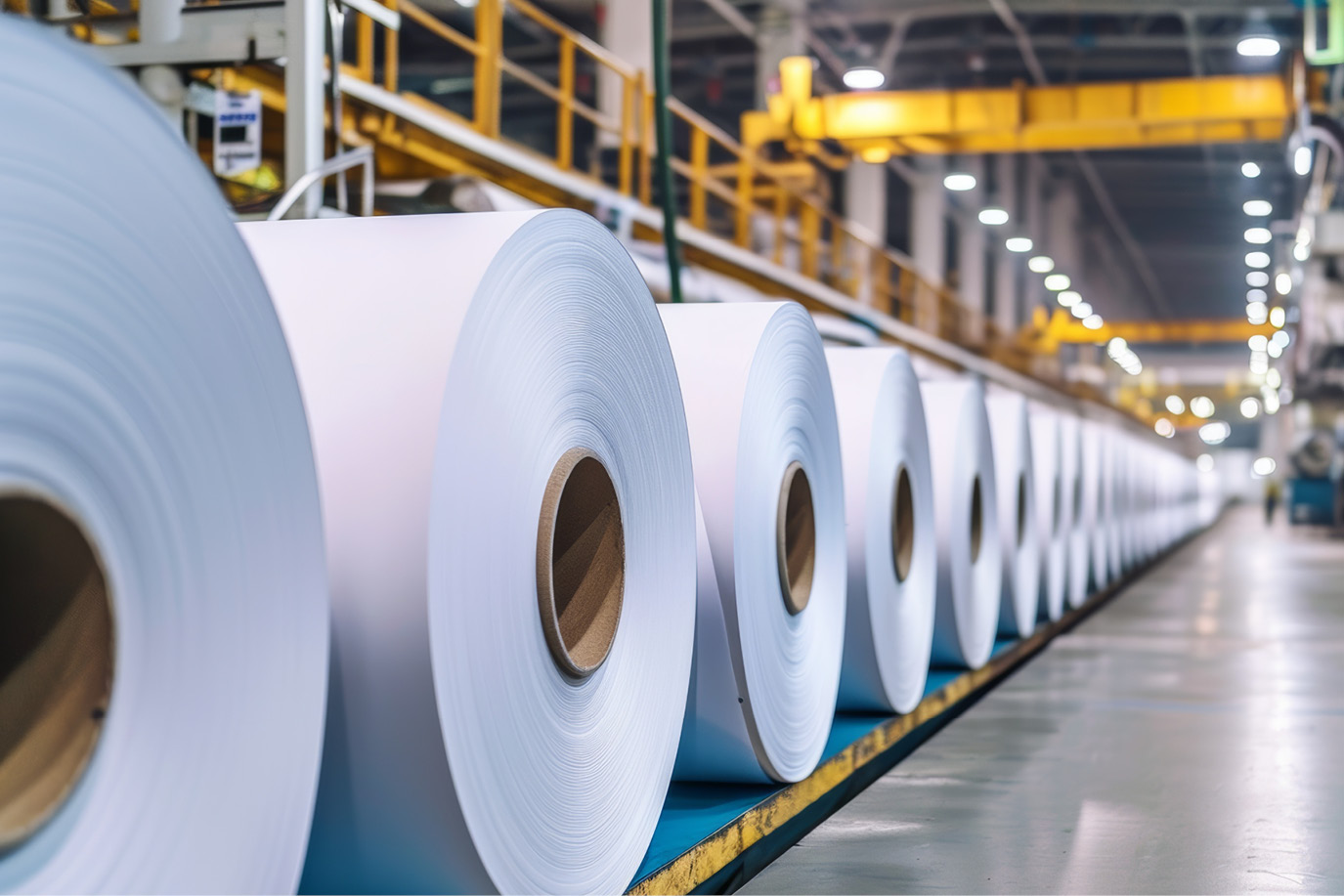
Sodium hydroxide is formed during the production of chlorine. In the production of paper pulp, sodium hydroxide is needed to expose the fibres during pulp cooking. Sodium hydroxide is also used to produce polyols, or polyalcohols as they are actually called. It is a chemical compound in which the molecule contains several hydroxyl (OH) groups. Polyols are used in the manufacture of environmentally friendly paint and varnish systems as well as in the production of aluminium.
Hydrochloric acid (HCl)
Our hydrochloric acid is 34% and is sold through distributors. Applications include metalworking, water purification and pH adjustment.