

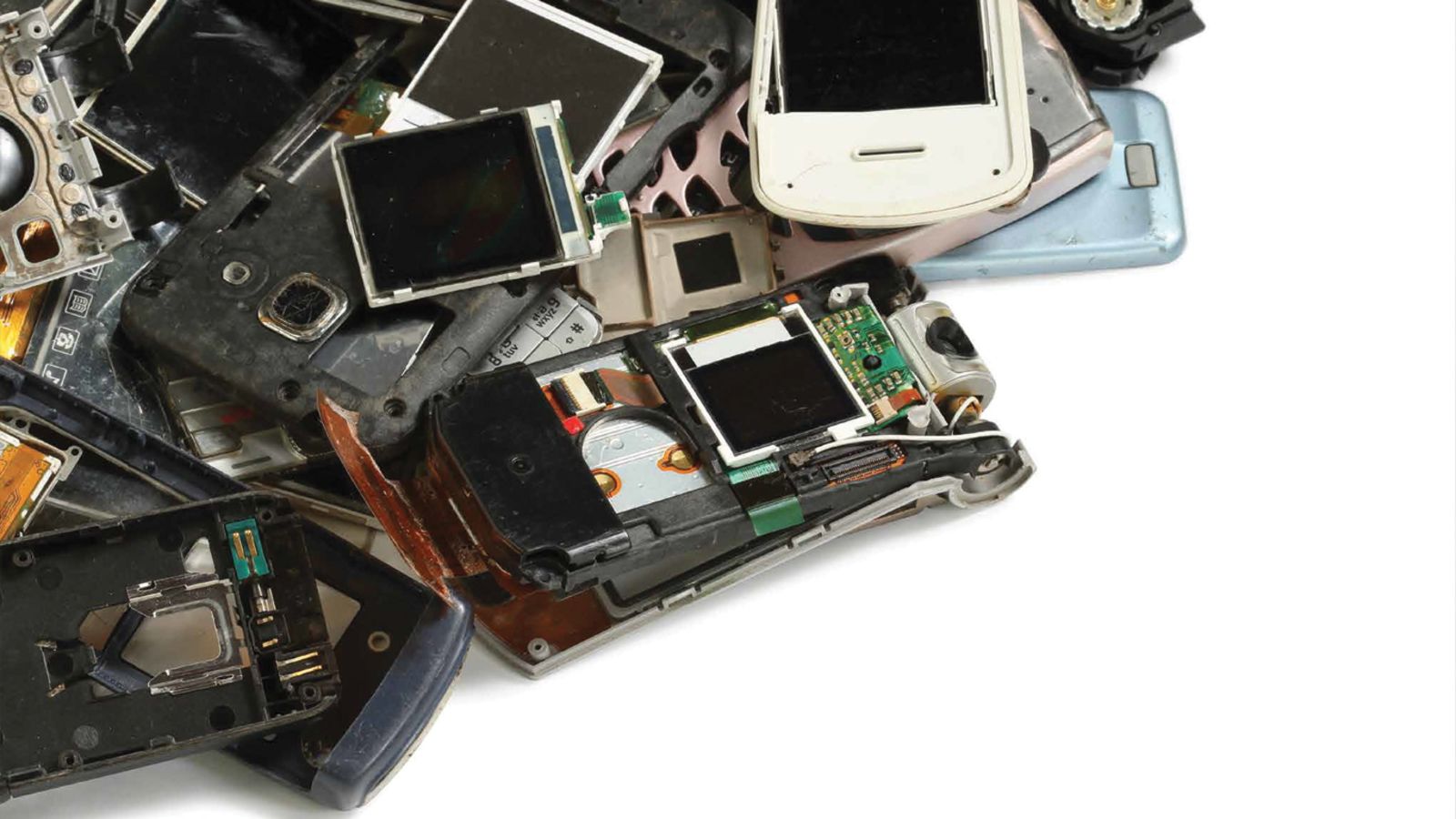
No one can be complacent in today's fast-paced environment.
In today’s fast-paced environment, companies rise and fall faster than ever before. The biggest threat is perhaps complacency. Or as the late Steve Jobs, inventor of the iPhone, put it; “Kill complacency before it kills you.” Here are six companies that were once deemed leaders in their field, before they all sadly lost their way
Blockbuster
Few could have predicted how this success story would end. Blockbuster was once the undisputed leader in video rental with a market value of $5 billion. It employed 60,000 people and had 9,000 stores throughout the world. Then Netflix started sending films through the post and cable and phone companies started streaming movies into people’s homes – and Blockbuster failed to respond to customers’ changing habits.
Kodak
NO ONE came close to rivalling Kodak for almost 100 years. The company was built on a culture of innovation and change; it was destroyed by complacency. Most people owned a Kodak camera and used Kodak’s trademark film. But what the company didn’t picture was its own demise with the advent of digital photography, a technology that it invented. It failed to act swiftly enough and others moved in for the kill.
Polaroid
Apple’s iconic inventor Steve Jobs is believed to have idolised the man who pioneered the iconic Polaroid SX-70. For Edwin Land was the first to mix cutting-edge technology with design. At its peak in 1991, sales of its mainly instant cameras and film almost hit £3 billion. But its great undoing came when it failed to embrace the digital photography revolution and went bankrupt 10 years later.
Motorola
It’s hard to believe that Motorola built and sold the world’s first mobile phone, and in 2003 introduced the biggest-selling mobile phone ever at the time – the Razr. But Motorola failed to focus on smart phones that could handle email and pictures and rapidly lost market share.
Commodore International
Commodore International was one of the first computer companies to successfully compete for the home market. Its relatively small machines were well made and cheap. In the early 80s, two million Commodore 64s were being snapped up every year and the company had cornered almost 50% of the market. Then it released the smarter Commodore plus/4. A smart move one would think but the company alienated its core customers. The new model was incompatible with the old one which customers loved. The company went bankrupt in 1994.
ICI
ICI was once a symbol of Britain’s industrial might. At its peak the company, which invented polythene, employed 130,000 people and was one of the biggest chemical companies in the world. But in the 1990s it became too complacent. Paul Hodges, a senior executive at ICI until 1995, said the company became increasingly risk and decision-adverse. “It lost the cuttingedge, the drive to try out new directions,” he said. “Instead, ‘no surprises’ became the motto.” It moved into speciality chemicals and sold its commodity chemicals business to INEOS, under whose ownership it has grown from strength to strength. Meanwhile ICI’s earnings continued to fall. The company was eventually sold to Dutch company AkzoNobel in January 2008 and its adhesives and electronic materials businesses was bought by Germany’s Henkel three months later.