

North Sea Decom
Our approach to waste management is exemplified by our work to prepare for decommissioning of redundant assets in the North Sea.
The UK’s regulation of oil and gas decommissioning is often considered more robust than regimes in many other parts of the world because it is built on a clear statutory framework, transparent oversight, and strict environmental and financial safeguards.
Decommissioning on the UK Continental Shelf is governed primarily by the Petroleum Act 1998, which mandates that operators submit detailed decommissioning programmes outlining all infrastructure, proposed removal methods, and environmental considerations. Oversight is carried out by the Offshore Petroleum Regulator for Environment and Decommissioning (OPRED), which ensures compliance and invites public and stakeholder scrutiny – an unusual level of transparency compared with many jurisdictions.
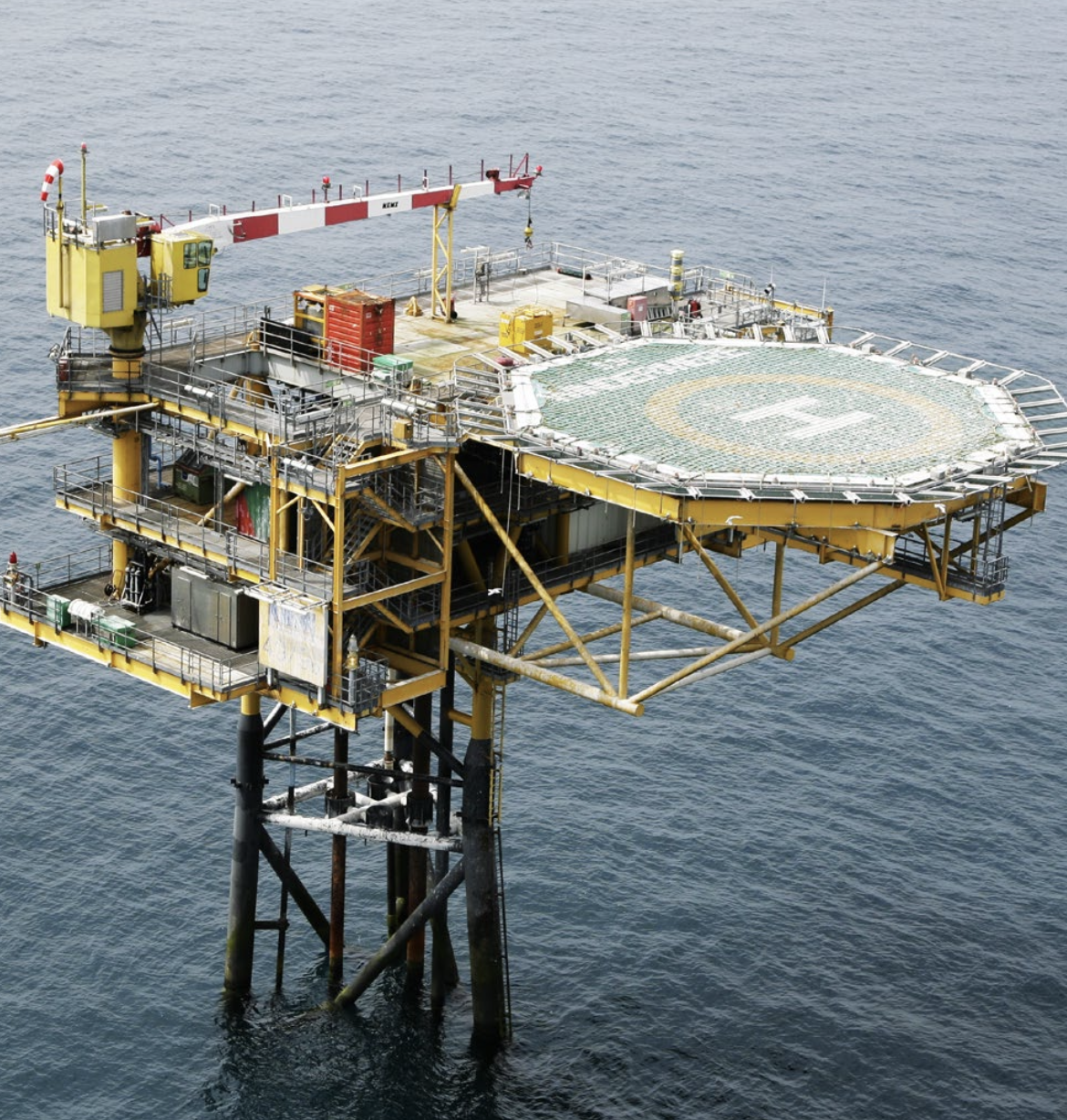
The decommissioning of the Windermere offshore gas installation in the Southern North Sea offers an important example of how a modern operator can align environmental protection, regulatory compliance and responsible resource management in the final stage of an asset’s life.
In addition, the UK’s regulatory framework includes the North Sea Transition Authority (NSTA), which provides strategic guidance, enforces obligations, and supports data transparency, technology development and continuous improvement.
Its strategy emphasises cost‑efficiency, emissions reduction, and alignment with the energy transition – features not consistently embedded in global regulatory frameworks.
The Windermere facility, was operated by INEOS UK SNS Limited when the project was carried out, lies 140 kilometres northeast of Cromer and only a few kilometres from the UK–Netherlands median line. Installed in 1997 and in production until 2016, the installation consisted of a Normally Unmanned Installation (NUI) platform. The wells were plugged and abandoned in 2019, and the pipeline and umbilical were cleaned and flushed two years earlier, leaving them in a flooded state with very low residual hydrocarbon content.
In planning for decommissioning, INEOS recognised its obligation to comply not only with the Petroleum Act 1998 and the Energy Act 2008, but also with the full suite of marine and environmental regulations that govern offshore activities. Central among these is OSPAR Decision 98/3, which requires the full removal of offshore installations weighing under 10,000 tonnes, with no allowance for abandonment of jackets, topsides or supporting structures on the seabed.
As the Windermere platform’s topsides weighed 452 tonnes and its jacket 382 tonnes, full removal was mandatory.
The project therefore had to incorporate the complete extraction of these structures to 3 metres below the seabed, their transportation to shore, and their subsequent recycling or disposal under controlled conditions. This regulatory requirement set the overarching boundary conditions for the project, while UK domestic legislation – including the Marine Works (Environmental Impact Assessment) Regulations 2011, the Offshore Petroleum Activities (Conservation of Habitats) Regulations 2001 and the Oil Pollution Prevention and Control Regulations 2005 – shaped the Environmental Impact Assessment (EIA) and the operational commitments that would follow.

To support the Decommissioning Programme required by the UK Government, INEOS undertook a detailed EIA process.
A pre- decommissioning survey conducted in 2014 established the environmental baseline against which potential impacts from decommissioning would be assessed.
This survey identified that the seabed around Windermere consists predominantly of sand, characterised by megaripples in the northern portion and more featureless seabed to the south, with no evidence of drill cuttings accumulation in the vicinity of the platform. Chemical analysis showed that total organic carbon and hydrocarbon levels were low, with metal concentrations slightly above some guideline values but not inconsistent with typical UK Southern North Sea sediments. Biologically, the region was shown to support three EUNIS habitat types (Deep Circalittoral Sand, Circalittoral Muddy Sand and Deep Circalittoral Coarse Sediment), each hosting diverse benthic communities dominated by annelids, molluscs and echinoderms.
The area also forms part of broader fish spawning and nursery grounds for key species such as cod, herring, lemon sole, mackerel, Nephrops, sandeels and whiting, although the sediments were judged to have low suitability for herring spawning specifically.