

The Africa Project and the Protection of Southern Tanzania’s Wetlands
The Six Rivers Africa project operates in the wetlands and savannah ecosystems of southern Tanzania, including Ruahaand Nyerere-Selous ecosystems.
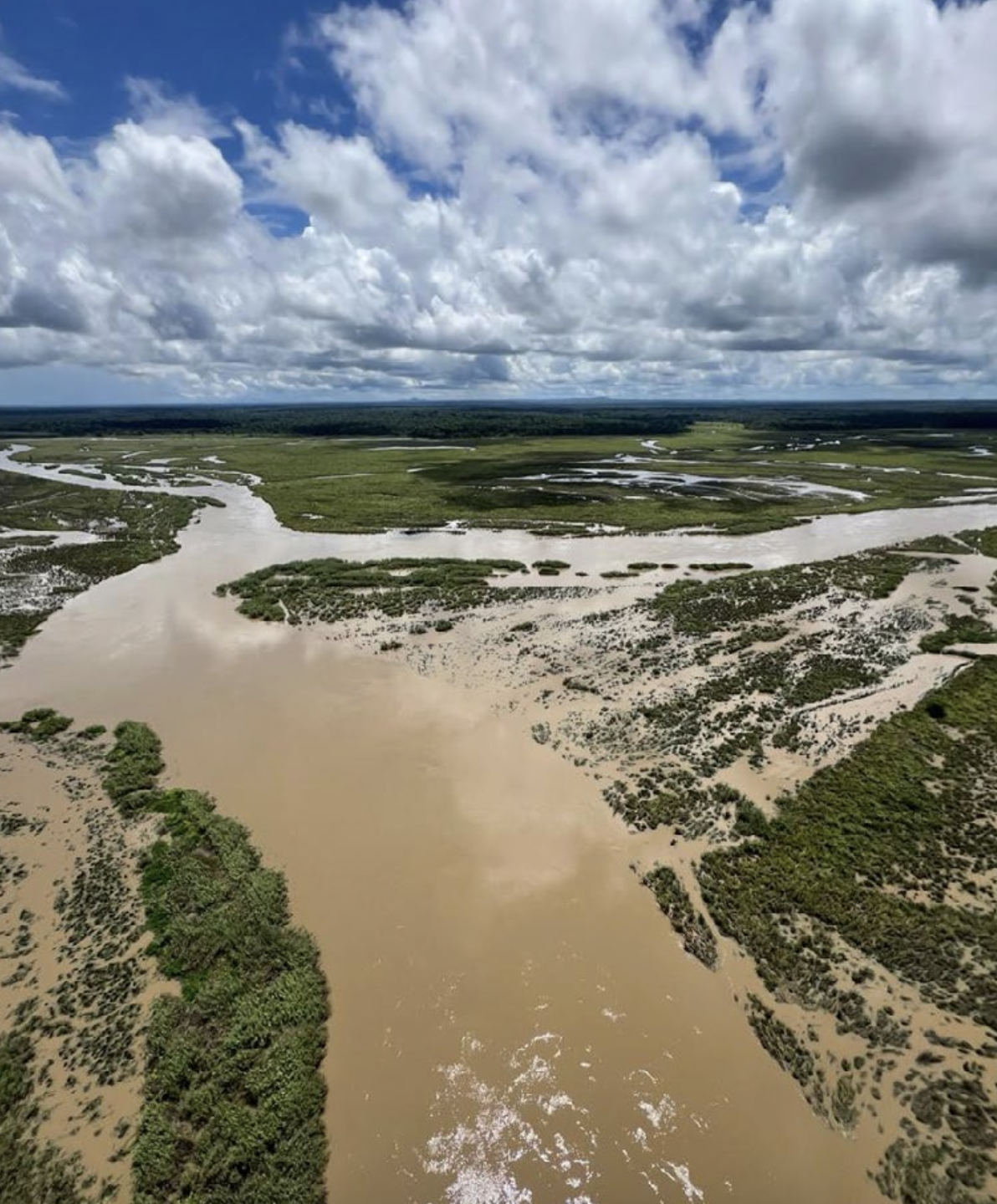
These landscapes are among East Africa’s most biodiverse regions, supporting key wildlife populations such as elephants, lions, wild dogs, buffalo, migratory birds, as well as extensive seasonal floodplains that play a critical role in regulating water flows and ecosystem health.
Despite their importance, many of these wetlands remained poorly mapped and under‑protected until recently. Population growth, historical hunting concessions, agricultural expansion, poaching, and climate‑driven drought have placed increasing strain on ecosystems that are essential both to wildlife and to downstream human communities.
Six Rivers Africa was founded to address this gap through a science‑first, presence‑based conservation model.
One of its core strategies has been to improve physical access and monitoring capacity in remote wetland areas. This includes building ranger bases and airstrips, allowing researchers and scouts to patrol, map wildlife movements, and respond rapidly to threats such as poaching or disease outbreaks.

The organisation works closely with Tanzanian government agencies, national parks authorities, and conservation partners to provide support to wildlife protection systems, ecological monitoring, habitat restoration, and community engagement initiatives designed to strengthen coexistence between people and protected ecosystems. By strengthening local capacity rather than replacing it, Six Rivers Africa aims to embed conservation resilience over the long-term.
Since it opened, instances of illegal poaching have fallen dramatically. There are now herds of hundreds of buffalo and sable, as well as scores of elephant with calves, returning to these iconic wetlands.